Cost-Effective Mold Remediation Services: Your Answer to a Cleaner Environment
Affordable mold remediation services play an essential role in preserving a healthy living environment. Mold can pose significant health risks and compromise the structural integrity of homes. Fortunately, various budget-friendly options are available to address this issue efficiently. Homeowners often overlook the signs of mold growth or downplay its impact. Understanding the variety of solutions available can enable individuals to take proactive steps. What are these options, and how can one choose the right approach?
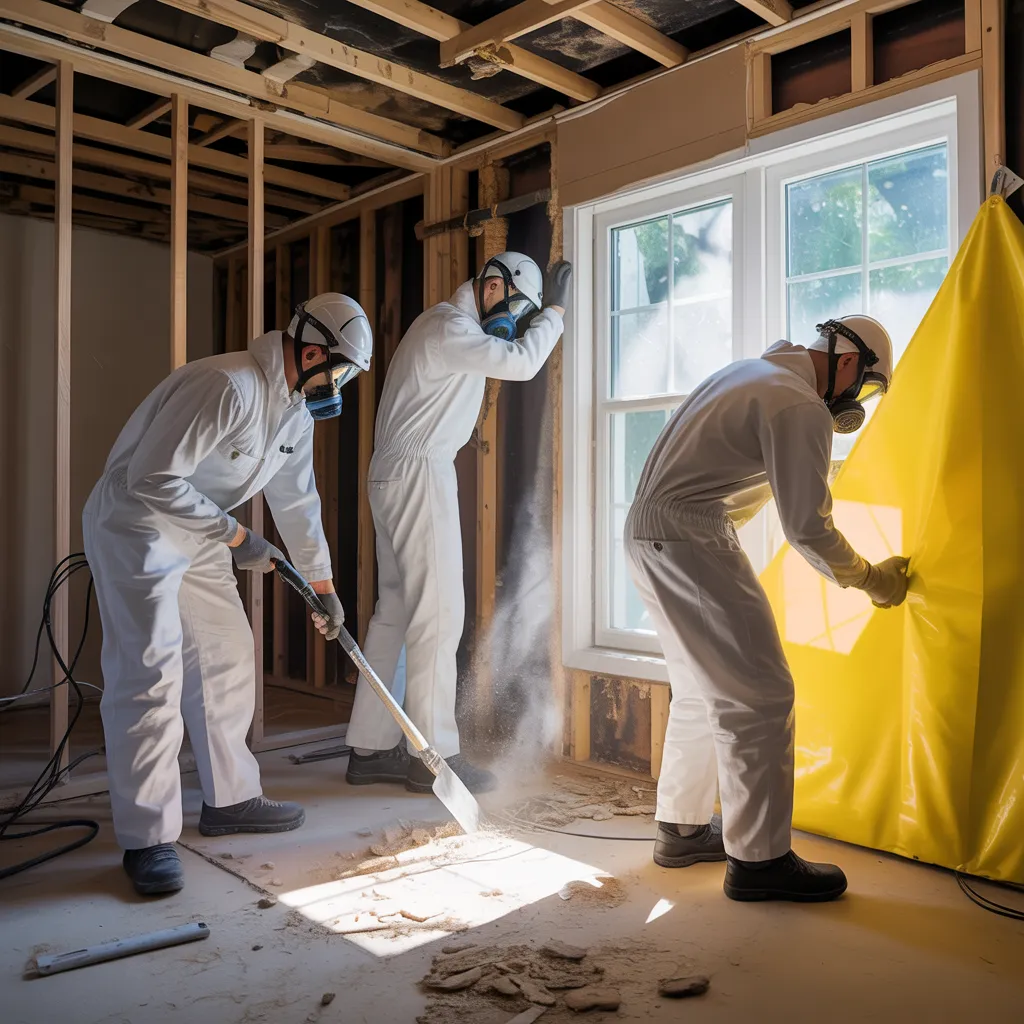
Red Flags You Require Mold Remediation Solutions
How can homeowners identify the need for mold removal services? Homeowners must stay vigilant for many key warning signs. Visible mold growth, often appearing as dark spots or fuzzy patches, represents a primary indicator. Additionally, lingering moldy smells in the house might signal concealed mold. Increased allergic reactions among household people, like as sneezing or sneezing, may further suggest fungal growth. Homeowners must inspect places susceptible to moisture, such as bathrooms, basements, and around water systems. Moisture marks covering surfaces or overhead might further point to potential fungal development. Moreover, peeling coatings and wallpaper might reveal hidden moisture problems conducive to fungal development. If some of these indicators be apparent, it is essential to homeowners to make action promptly. Ignoring such indicators might contribute toward greater extensive damage and higher remediation expenses. Getting expert help soon might assist ensure a more living setting plus protect property worth.

Grasping the Health Dangers of Mold Exposure
Mold contact can cause a spectrum of medical conditions, including respiratory problems and skin reactions. Specific groups, such as children, the elderly, and people with pre-existing conditions, are particularly vulnerable to these consequences. Understanding these hazards is vital for advancing safety and health in areas where mold is found.
Common Medical Concerns
Though often disregarded, the health hazards connected to mold exposure can be substantial and varied. Individuals in contact with mold may experience breathing problems, such as coughing, wheezing, and shortness of breath. Allergic responses, such as sneezing, itchy eyes, and skin rashes, are also common. Extended exposure can aggravate asthma symptoms and lead to chronic sinusitis. In some cases, mold emits mycotoxins, which can result in more serious health problems, such as neurological symptoms and immune system suppression. Furthermore, those with pre-existing conditions often face elevated risks. Comprehending these common health problems stresses the importance of timely mold remediation, ensuring a safer environment for all inhabitants and reducing possible lasting health consequences linked to mold exposure.
Vulnerable Communities Affected
Certain segments are more at risk to the health threats linked to mold exposure, requiring greater awareness and preventive actions. People with pre-existing jump in respiratory conditions, such as asthma or chronic obstructive pulmonary disease, may have worsened symptoms upon mold exposure. Young children, whose immune systems have not fully developed, are especially at risk for respiratory troubles and allergic reactions. Senior individuals, frequently experiencing weakened immune systems, also encounter greater risks. Also, expectant mothers may face complications potentially affecting their health and that of their fetus. Those whose immune systems are impaired by conditions like HIV/AIDS or some medications face a greater risk of serious infections. Identifying these at-risk groups is crucial for carrying out successful mold remediation plans.
Budget-Friendly Mold Abatement Options
Finding effective and affordable mold remediation solutions is crucial for homeowners dealing with mold problems. Various strategies can help reduce expenses while guaranteeing complete removal. One option is to engage local community programs that offer financial aid or support for mold removal, particularly for families with limited budgets. Do-it-yourself approaches, such as applying baking soda or vinegar, can also offer short-term solutions for minor mold infestations.
Additionally, homeowners can find businesses that feature budget-friendly services, which regularly deliver bundled options or savings for extensive projects. Prompt action is required to prevent continued damage and greater remediation costs.
Proper maintenance of ventilation systems and moisture control in basements and bathrooms can suppress mold proliferation, bringing about lasting savings. By assessing these reasonable options, homeowners can ably combat mold issues without incurring exorbitant charges, creating a healthier living space for their families.
Tips for Selecting Reliable Mold Removal Services?
When selecting trustworthy mold removal providers, assessing qualifications and licenses is crucial for ensuring professionalism. Furthermore, the experience and expertise of the contractor can greatly impact the effectiveness of mold removal work. These factors enable homeowners make knowledgeable choices and avoid potential pitfalls.
Credentials and Credentials
Identifying dependable mold remediation solutions depends on the qualifications and credentials of the specialists participating. It is essential to confirm that specialists are accredited by reputable organizations such as the Institute of Inspection, Cleaning, and Restoration Certification (IICRC) or the National Organization of Remediators and Mold Inspectors (NORMI). These certifications show a commitment to professional norms and optimal procedures. Also, professionals should have relevant background in mold removal techniques and security protocols. Permits may also be required depending on local rules, ensuring responsibility and conformity. Checking for insurance shields property owners from likely exposures during the remediation operation. At the end of the day, thorough due diligence on certifications creates confidence in the chosen mold remediation service.
Background and Expertise
Experience and expertise act as vital benchmarks in the quest for dependable mold removal services. Companies with a established track record often demonstrate their ability to manage diverse mold issues effectively. Evaluating the length of a service provider's operation in the industry can uncover their knowledge with various mold types and treatment techniques. Additionally, expertise in ecological safety standards and best practices is essential, as improper treatment can exacerbate health risks. Potential clients should seek testimonials and case studies that highlight successful remediation projects. Engaging with qualified professionals guarantees that the service provider not only possesses the necessary skills but also adheres to industry regulations, offering peace of mind and a cleaner environment for all.
DIY or Professional Mold Removal
While many property owners may consider tackling mold removal themselves, the choice between DIY and expert help can greatly impact both health and property. DIY methods often utilize readily available cleaning supplies, which may appear budget-friendly. However, these techniques can be insufficient for extensive mold outbreaks, potentially leading to incomplete removal and repeated problems.
Professionals, conversely, have specialized training and tools that ensure complete removal. They can detect hidden water problems and use cutting-edge methods to remove fungal growth successfully. Additionally, professionals are equipped to handle the health risks linked to mold exposure, safeguarding both the occupants and the property.
Ultimately, while DIY options might appear appealing for modest problems, major pest issues justify the proficiency of trained specialists to guarantee complete removal and prolonged safety. Committing to professional support can prevent future problems and maintain a cleaner home setting.
Guidance for Inhibiting Future Mold Formation in Your Home
After resolving mold problems, homeowners should focus on preventative strategies to prevent future development. First, maintaining ideal humidity levels is essential; indoor humidity should be maintained between 30% and 50%. Using dehumidifiers in damp areas, such as basements, can significantly reduce moisture.
Continuously examining and repairing water intrusion in roofs, plumbing, and windows prevents water retention, which causes mold growth. Additionally, ensuring good air flow in bathrooms and kitchens encourages air circulation, further reducing humidity.
Homeowners should also consistently clean and dry areas prone to moisture, such as shower curtains and sink traps. Employing mold-inhibiting products, including paints and building materials, can deliver an extra layer of coverage.
Lastly, maintaining clean gutters and guaranteeing adequate drainage around the foundation will assist in preventing water from entering the home. By applying these methods, homeowners can establish a mold-resistant space and preserve a healthier living space.
Frequently Asked Questions
What Is the Standard Duration of the Mold Remediation Process?
The mold abatement process typically requires between one to seven days, contingent on the level of the contamination and the area of the damaged space. Factors including drying procedures and repair work may extend the timeline.
Am I covered by my insurance for mold remediation costs?
Protection related to mold removal expenses varies across different plans. Ordinarily, it could be included if mold stems from a covered event. Homeowners need to reach out to their insurance company regarding detailed information regarding their protection.
What Categories of Mold Tend to be Most Regularly Located in Homes?
Frequent types of fungus seen in homes incorporate Aspergillus, Cladosporium, and Stachybotrys (black mold). These molds grow in humid environments and can create health risks, making detection and remediation critical for a safe living space.
May I remain in My Home During Mold remediation?
During mold remediation, it is generally advised to leave your residence, particularly when cases are severe. Professionals assess potential hazards, guaranteeing minimal exposure to dangerous mold spores, which can result in health problems for residents.
How Can I Identify if Mold Removal Was Effective?
To evaluate if mold removal was successful, one should check for lingering odors, visible mold, and moisture levels. Running air quality tests and making certain comprehensive review by specialists can confirm the efficiency of the treatment process.